
Foundation repair
When a crack shows up in a foundation wall or a door starts sticking, I look for what moved it first, then repair the masonry and the cause together.
Mastercraft Antioch Masonry and Concrete is a masonry contractor based in Antioch, CA. We repair brick, chimneys and foundations, repoint worn mortar, and build retaining walls, block walls, paver driveways and walkways for homes across the city.
Mastercraft Antioch Masonry and Concrete handles brick, block, stone and concrete work for homes in Antioch, from a cracked chimney or a leaning garden wall to a new paver driveway or retaining wall. I'm based here, I look at every job myself, and I'm on site when our crew does the work.
Most calls start with something you can see. It might be a crack running down a block wall, mortar turning to sand between bricks, a chimney crown breaking up on the roof, or a front walk that's heaved and catches your toe. I come out, figure out why it happened and tell you straight whether it needs a repair, a rebuild or nothing yet. Sometimes the honest answer is a smaller job than you expected.
The other half of our work in Antioch is building. A lot of yards here have block walls along the property lines, backyards that step down and need a retaining wall, and front yards where pavers or a new walkway would fix a tired entry. We build every wall with a way for water to get out, because trapped water is what pushes most walls over.
We work the same way in the cities around Antioch, out to Oakley and Brentwood and from Concord and Walnut Creek to Rio Vista. It's the same process wherever you are, and if you're not sure we cover your address, call and ask.
When a crack shows up in a foundation wall or a door starts sticking, I look for what moved it first, then repair the masonry and the cause together.
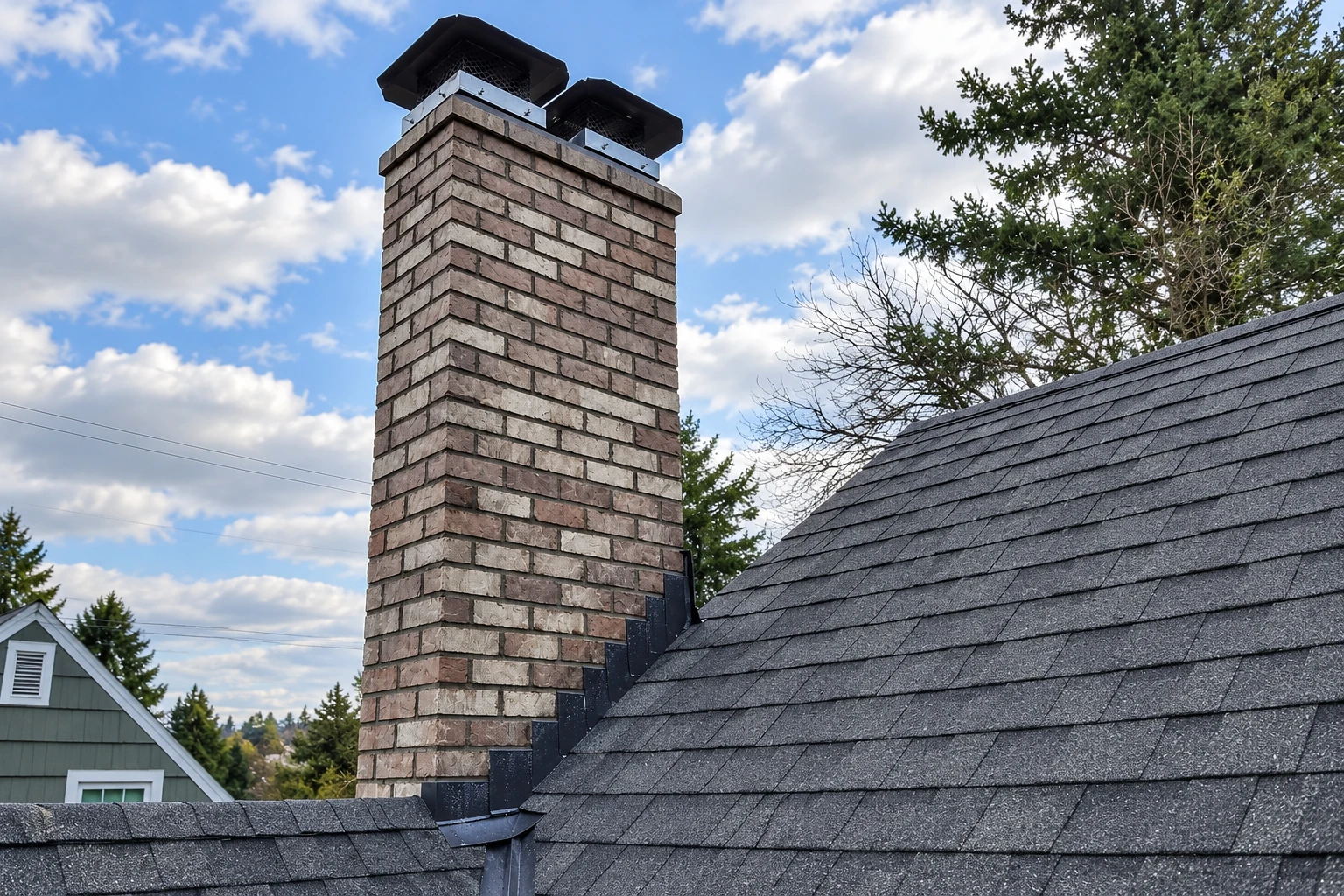
For a crumbling crown, loose bricks near the roofline or mortar washing out of the joints, we rebuild what's failing and leave the sound brick alone.
If the mortar between your bricks has gone soft or sandy, we grind out the worn joints and fill them with new mortar matched to the color of the old.
When bricks crack or their faces start flaking off, we cut out the damaged ones, set matching replacements and look for the water or movement that broke them.
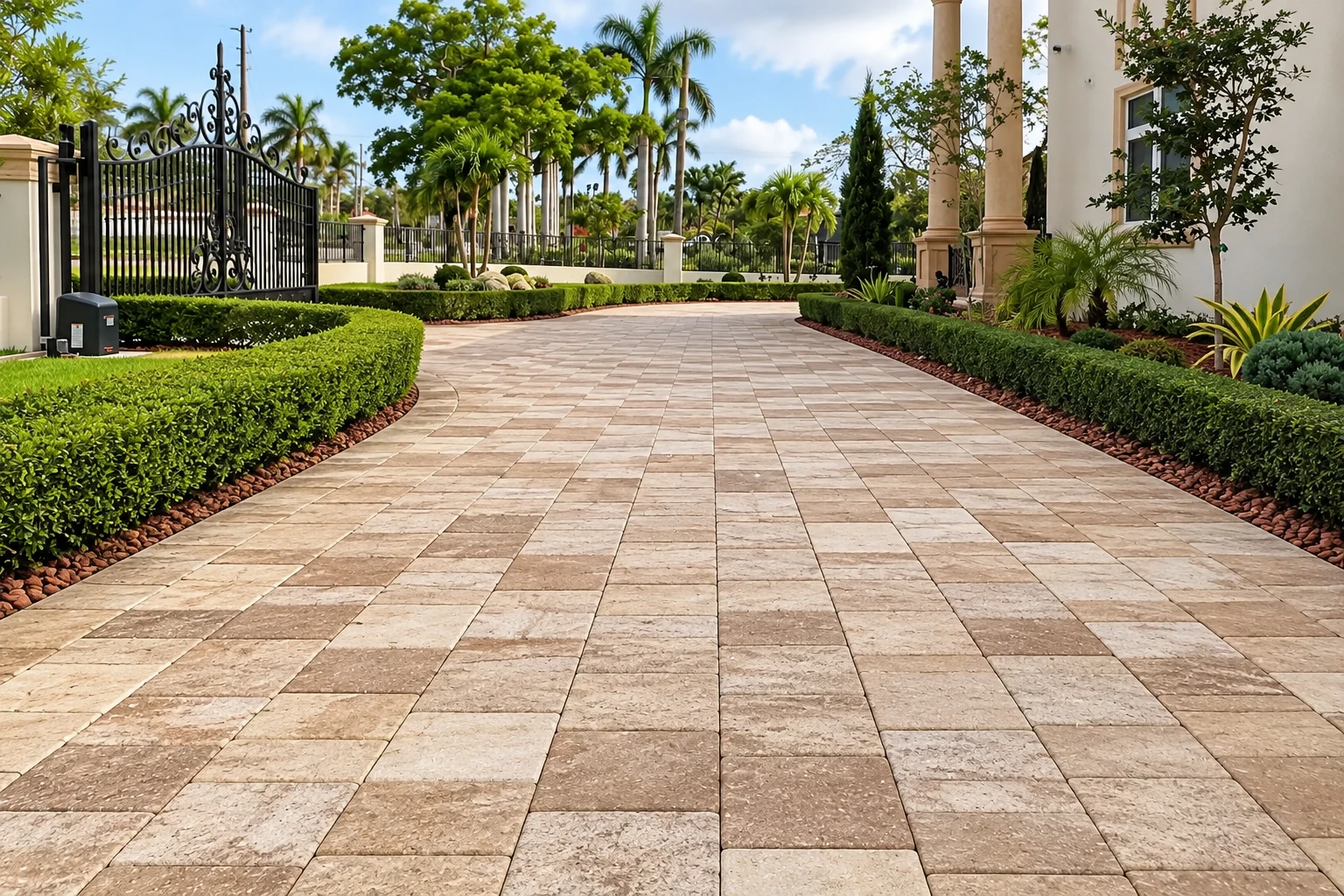
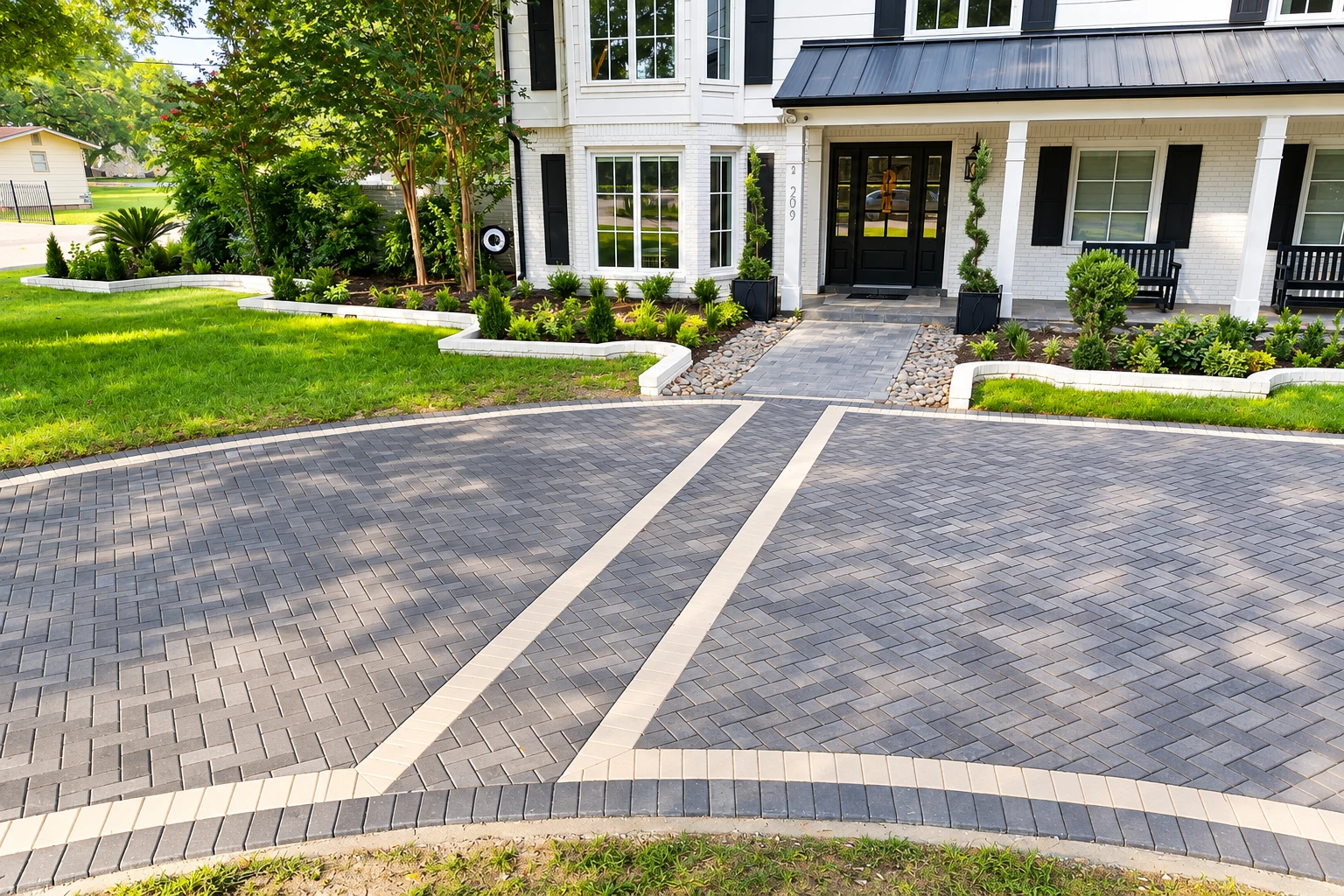
A paver driveway suits a front yard where you want a surface that can be lifted and relaid in spots, and we build the packed base it sits on.
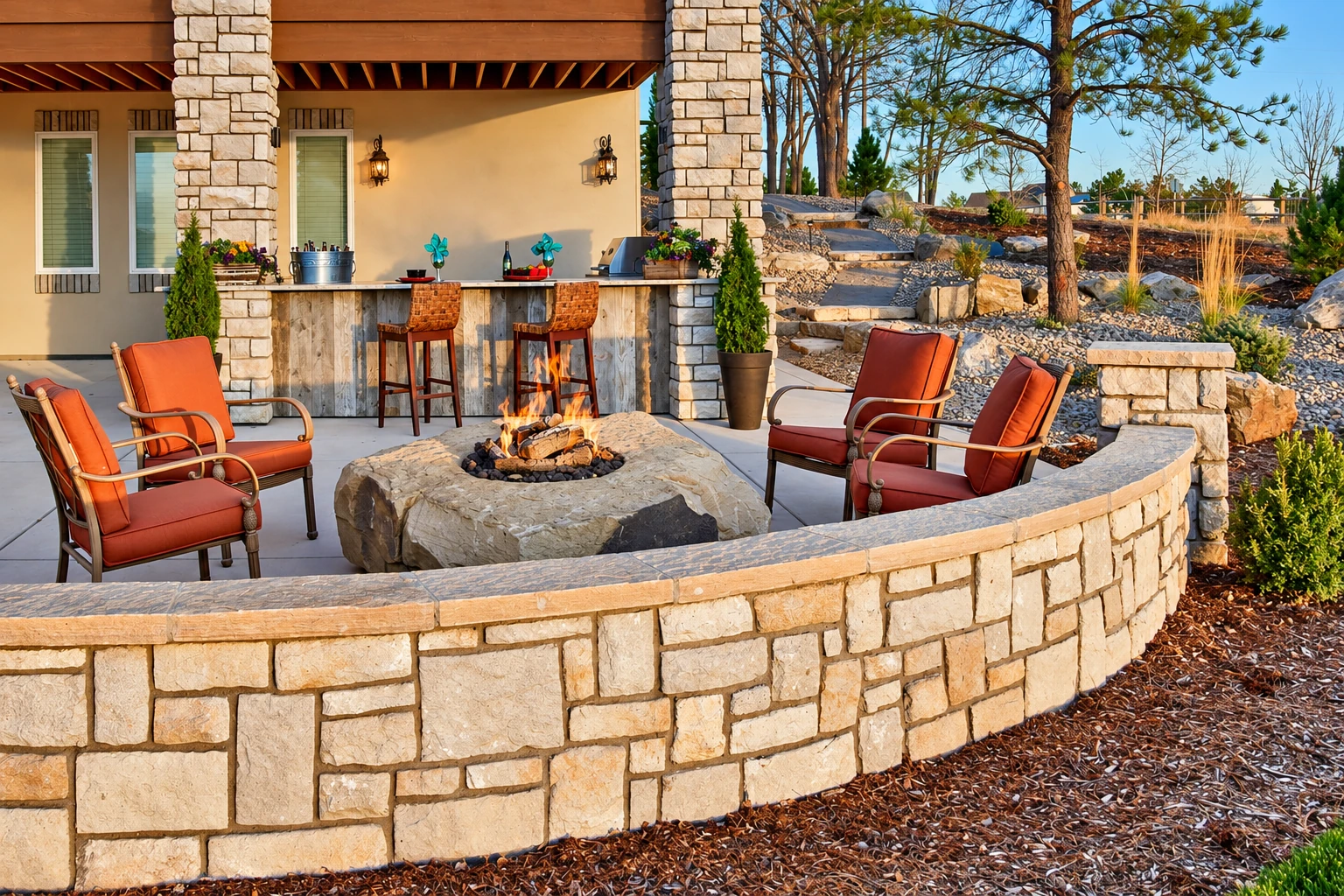
For a backyard slope that's slumping toward the patio, we build retaining walls with gravel and drain pipe behind them so water gets out instead of pushing.
Brick or stone that's stained, worn and patched over the years can often be cleaned, repointed and repaired instead of torn out, and I'll tell you which yours needs.
Adding a masonry fireplace inside or out means building the firebox, the hearth and the chimney so they work together, and we build all three as one job.
Stone veneer gives a stucco wall, a column or a fireplace front the look of stone, and we install it over a proper backing so moisture doesn't get trapped.
Block walls along property lines and side yards are common here, and we build new ones on a solid footing with steel and grout where the wall needs it.
For an addition, a garage or a crawlspace wall, we lay the block foundation on a poured footing and set it straight and level for the framing to follow.
A backyard kitchen needs a block base, counter support and room for the grill and doors, and we build that masonry shell and finish it in brick, stone or stucco.
When a front path has heaved or a side yard turns to mud every winter, we lay a new walkway in pavers, brick, stone or concrete on a packed base.
A brick garden wall, planter or entry wall needs a real footing and a cap that sheds water, and we build both into every one we put up.
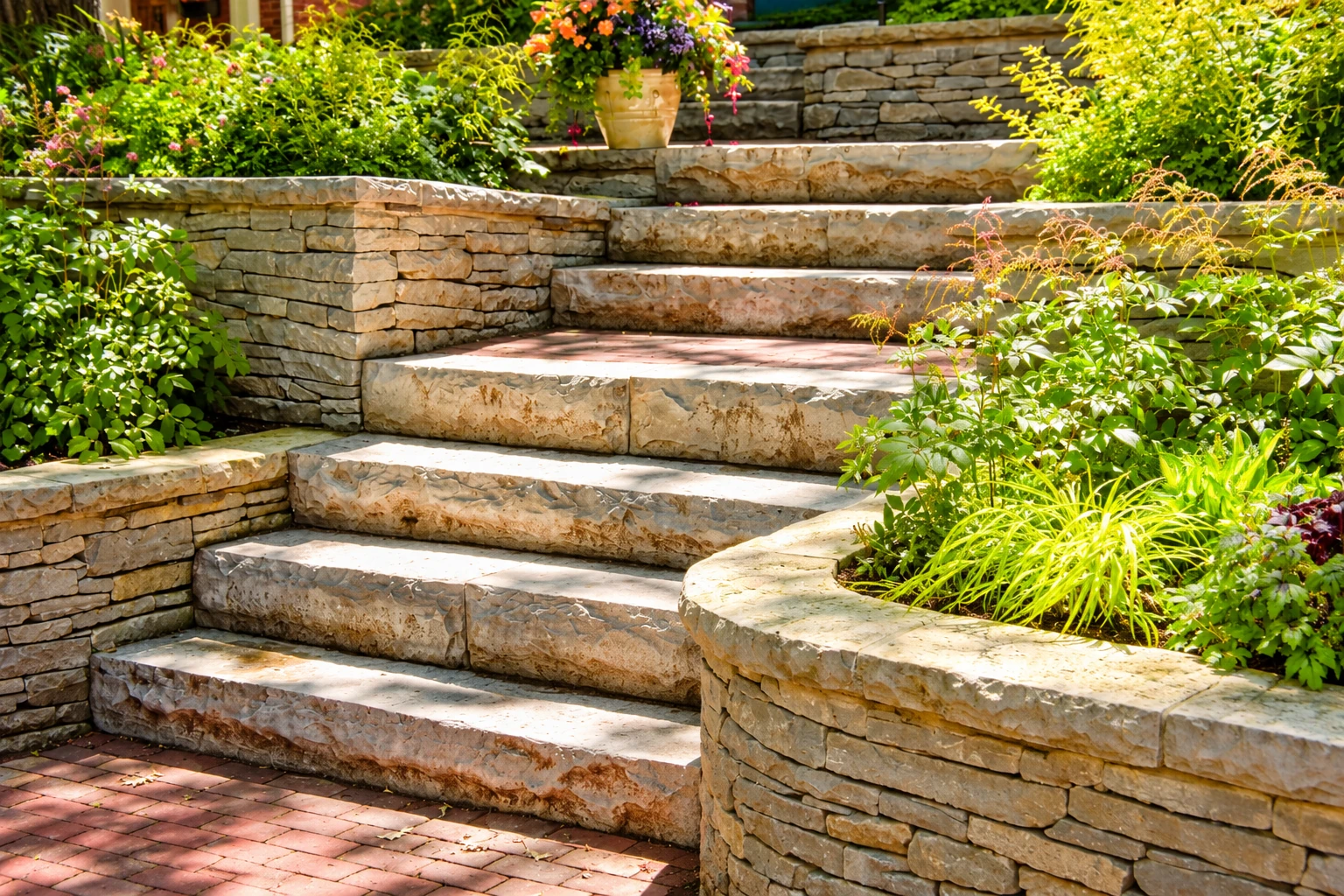
For natural stone walls, steps and columns, we sort and fit each piece by hand and either set it in mortar or dry-stack it, depending on the wall.
When only a few joints are cracked or missing, pointing is a lighter fix than redoing the whole wall, and I'll tell you if that's all your brick needs.
Tell us about the wall, chimney or walkway and we'll reply within one business day, and most of the time it's me getting back to you. I'll come out to your Antioch property, look at the job myself and give you a written estimate that spells out what we'll do and what we won't. There's no obligation and no pressure to book.
(925) 503-1025Building permits in Antioch come from the city's Building Services Division, which also inspects the work, so a project that needs one runs on the city's review and inspection dates as well as ours. Before you hire anyone, check two things: a California contractor license, and a current Antioch business license, which the city requires of everyone doing business here, subcontractors included.
We're licensed and insured. When a job needs a permit, we pull it and line up the inspections, so you're not the one chasing dates. If it isn't clear whether yours needs one, I check with the right office before work starts. It's the same routine when we work across the line in Pittsburg or anywhere else we go.
What moves the price is the size of the job, the material you choose and what's behind the problem. Patching a crack is quick, but a wall that's cracking because it can't drain needs digging out and rebuilding, and that's a different number. The schedule turns on permits, inspections and weather. My written estimate spells out what we'll do and what we won't, so you know what you're paying for.
I started as a helper on a small masonry crew, mixing mortar and hauling block long before anyone let me lay a brick, and I opened this business in Antioch in 2023. I come out to look at every job myself, and I'm on site with our crew when the work gets done, so the person who gave you the estimate is the one watching your wall go up.
I'd rather fix why something failed than cover it up. A cracked wall with nowhere for water to go usually cracks again after a patch, and I'll tell you that up front. If your chimney only needs a few joints repointed, that's the job I'll quote you, even when a bigger one was on the table.
We're licensed and insured. Satisfaction guaranteed on every job. If you've got a wall, chimney or path that's cracking, call (925) 503-1025 or use the contact form and tell me what you're seeing.
Antioch's weather, the county's fire maps and the city's rules for small outbuildings all play into how we plan masonry here. Here's what each one means for your project.
Antioch gets about 13 inches of rain in an average year, with average highs around 73°F and lows around 50°F. For masonry, that means a long stretch of the year when we can dig, pour and lay brick without waiting out storms. When the rain does come, it finds every wall that has no drainage, which is why we build it in from the start.
Summer heat pulls water out of fresh mortar and concrete faster than it should leave, and joints that dry too fast can end up weak and crumbly. On hot days we start early, wet down dry brick and block before we lay it, and keep new work damp and covered while it sets, so it cures the way it's supposed to.
The county fire district has updated its maps of fire hazard severity zones, following the state's classifications. If your lot backs onto open grassland or hills, it's worth knowing where it falls before you plan an outdoor kitchen, fireplace or fire pit. Brick, block and stone don't burn, which is one reason people near open land choose them for walls and outdoor cooking areas.
Small sheds can fall outside the permit rules. The city lists one-story detached sheds under 120 square feet as exempt when they have no wiring or plumbing, stand under 8 feet and nobody lives in them, and its guidance says portable sheds without a permanent foundation may be exempt too. If you want a concrete pad or block foundation under a shed, I check how that fits before we pour.
Not if the wall is three feet tall or less, because those walls are on the city's permit-exempt list. For anything taller, I check with the city before we start and pull the permit if it needs one. Either way we build in drainage, because even a short wall can get pushed over by trapped water.
A replacement fence doesn't need a building permit in Antioch if it's six feet or less in the back and side yards and three feet or less in the front yard. If you're replacing a fence with a block or brick wall, don't assume that rule covers it. We check with the city before we build.
Yes, if the work reaches into the public right-of-way at the street. Most residential concrete flatwork doesn't need a building permit, but curb cuts and driveway changes in the right-of-way need a separate encroachment permit from the city's Engineering Division. If your new driveway or paver apron meets the curb, plan on that second permit.
A contractor needs a state license when the job needs a building permit, uses any additional workers or costs $1,000 or more in labor and materials, counted across every contract on the project. You can check a contractor's license with the Contractors State License Board. We're licensed and insured.
Your price comes from a free written estimate after I've seen the job, because size, material and the cause of the problem set the number. A tall retaining wall, a full chimney rebuild or natural stone costs more than repointing a few joints or a block wall on flat ground. Tight access and hauling off old masonry add to it.
Most of the timeline is set by permits, inspections, materials and weather more than by the days our crew spends laying brick or block. A repair that needs no permit can usually get on the schedule sooner than a new wall that does. Mortar and concrete also need time to set before they carry weight, so I plan around that.
Clear a path to the wall, chimney or walkway, and think back to when you first noticed the crack and whether it's grown. If you know where your property line runs or have old plans for the house, have them handy. I'll look at everything on site and walk you through what I find.
Call (925) 503-1025 or send the contact form, because a crack or loose joint caught early is usually a smaller repair than the same one after another wet season.