
Foundation repair
When a crack runs through the foundation or a door starts sticking, we find out whether the house moved or the concrete just shrank before we repair anything.
Mastercraft Antioch Masonry and Concrete is a masonry contractor serving Brentwood, CA. We repair brick, chimneys and foundations, repoint old mortar, and build retaining walls, block walls, paver driveways, walkways and outdoor kitchens for homes across the city.
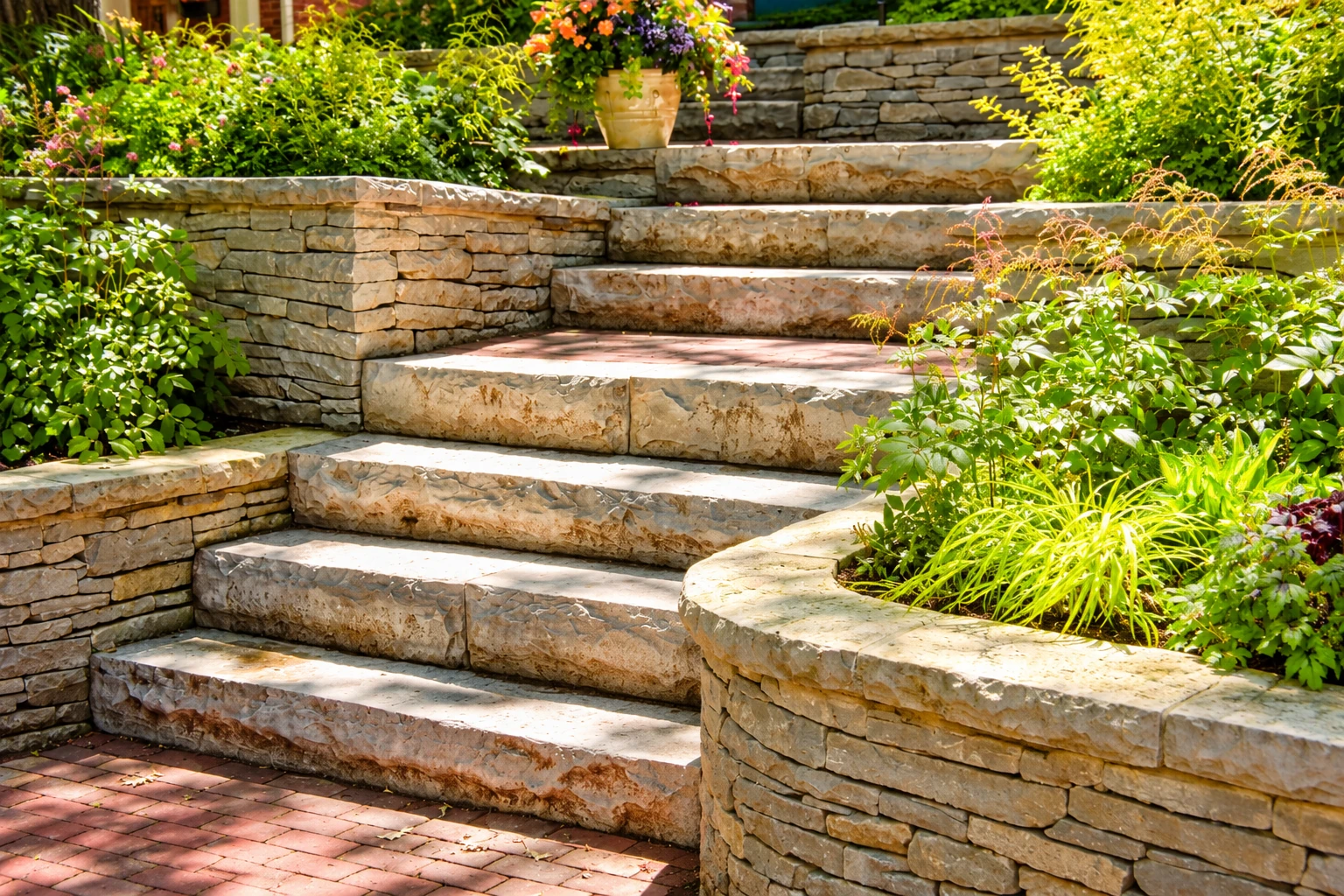
Mastercraft Antioch Masonry and Concrete builds and repairs brick, block, stone and concrete in Brentwood, from cracked chimneys and leaning garden walls to new paver driveways and outdoor kitchens. We're a masonry contractor in Antioch, CA, close enough that Brentwood feels like home ground, and I look at every job here myself.
Most Brentwood calls start with something you can see from the yard. It might be a block fence leaning toward the neighbor, a retaining wall bulging where the lot steps down, a chimney shedding mortar, or a front walk that's cracked and lifted. Just as often it's new work, like a paver driveway, a stone-faced fireplace or a backyard kitchen.
We see both sides of the trade out here. Brick fronts and chimneys need careful repair that matches what's already there, and newer yards usually need walls, flatwork and outdoor living built from scratch. We come out from Antioch and work all through this side of the county, including Discovery Bay, so a Brentwood job is a short trip for our crew.
When a crack runs through the foundation or a door starts sticking, we find out whether the house moved or the concrete just shrank before we repair anything.
Loose bricks, a cracked crown on top or mortar washing out near the top are the usual chimney calls, and we rebuild only what's actually failed.
When mortar joints turn sandy or sink back from the brick face, we grind out the worn mortar and pack new joints in a color and strength that suit your brick.
A few flaking or cracked bricks on a front wall, step or planter can be cut out and replaced without tearing down the whole thing.
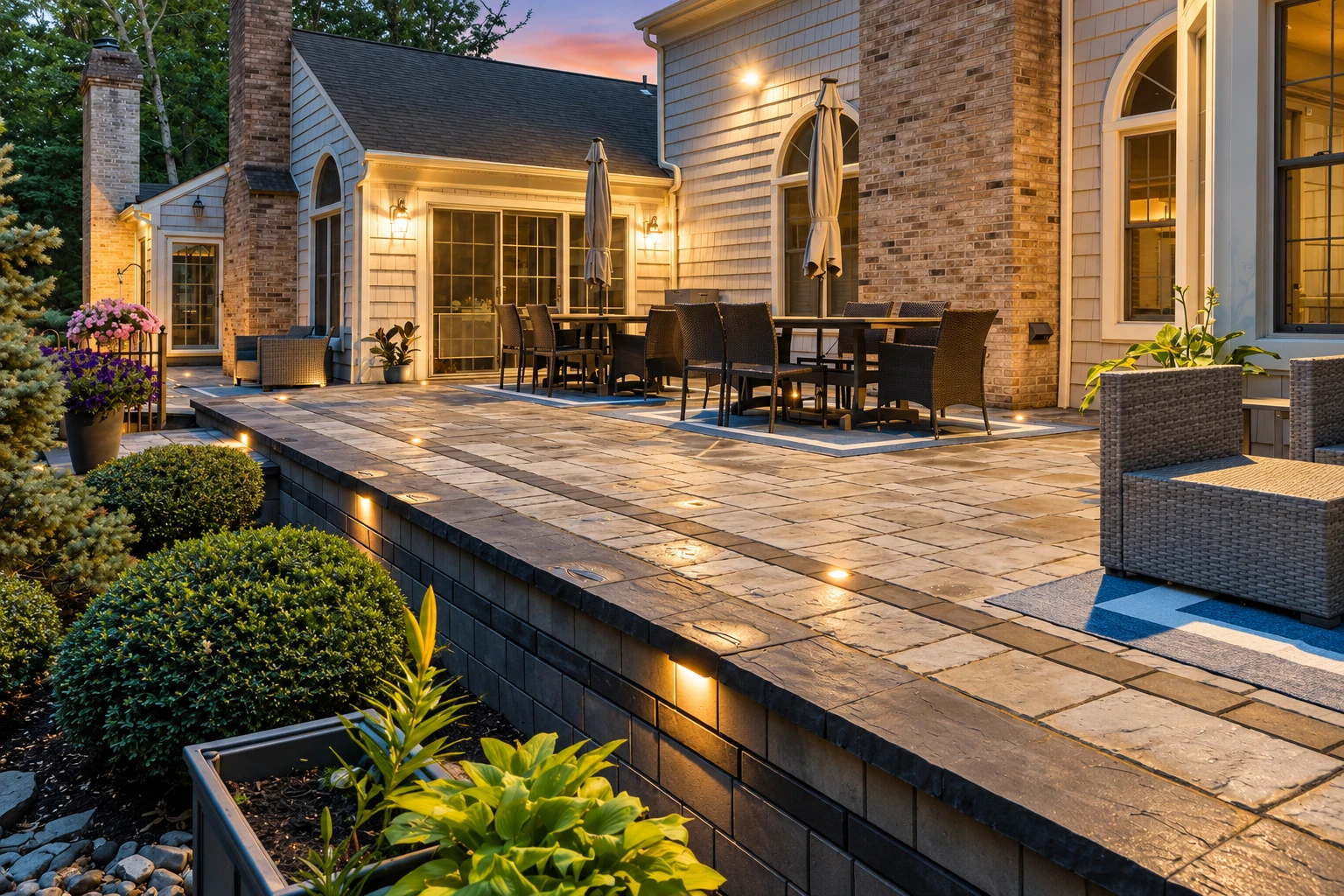
Pavers last when the base under them is dug deep and packed hard, so that's where we spend most of our time on a new driveway.
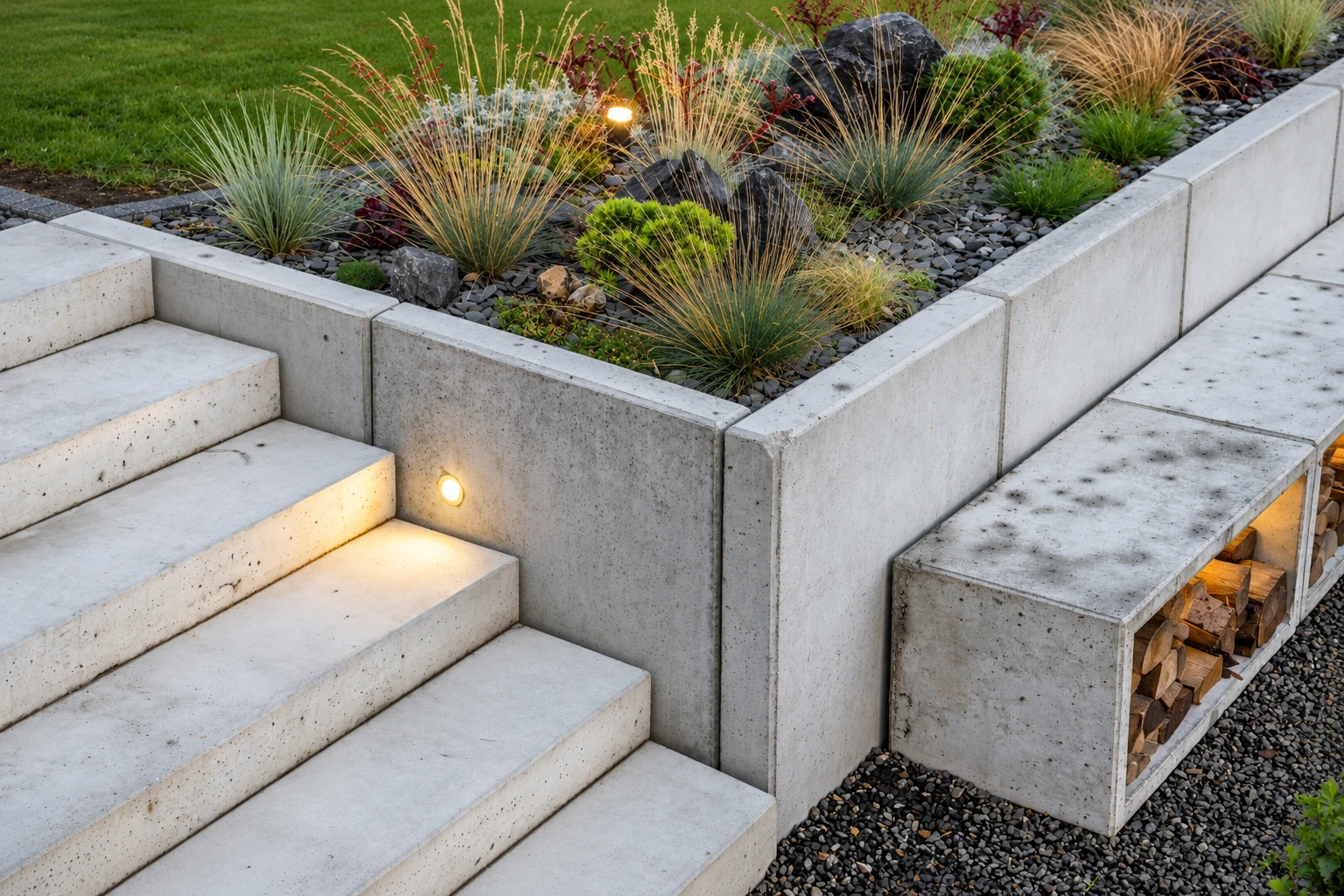
If your yard steps down or soil is pushing a wall over, we build retaining walls with gravel and drain pipe behind them so water can't build up pressure.
Older brick and stone that's stained, cracked or patched badly over the years can be cleaned, repaired and repointed so it looks like one wall again.
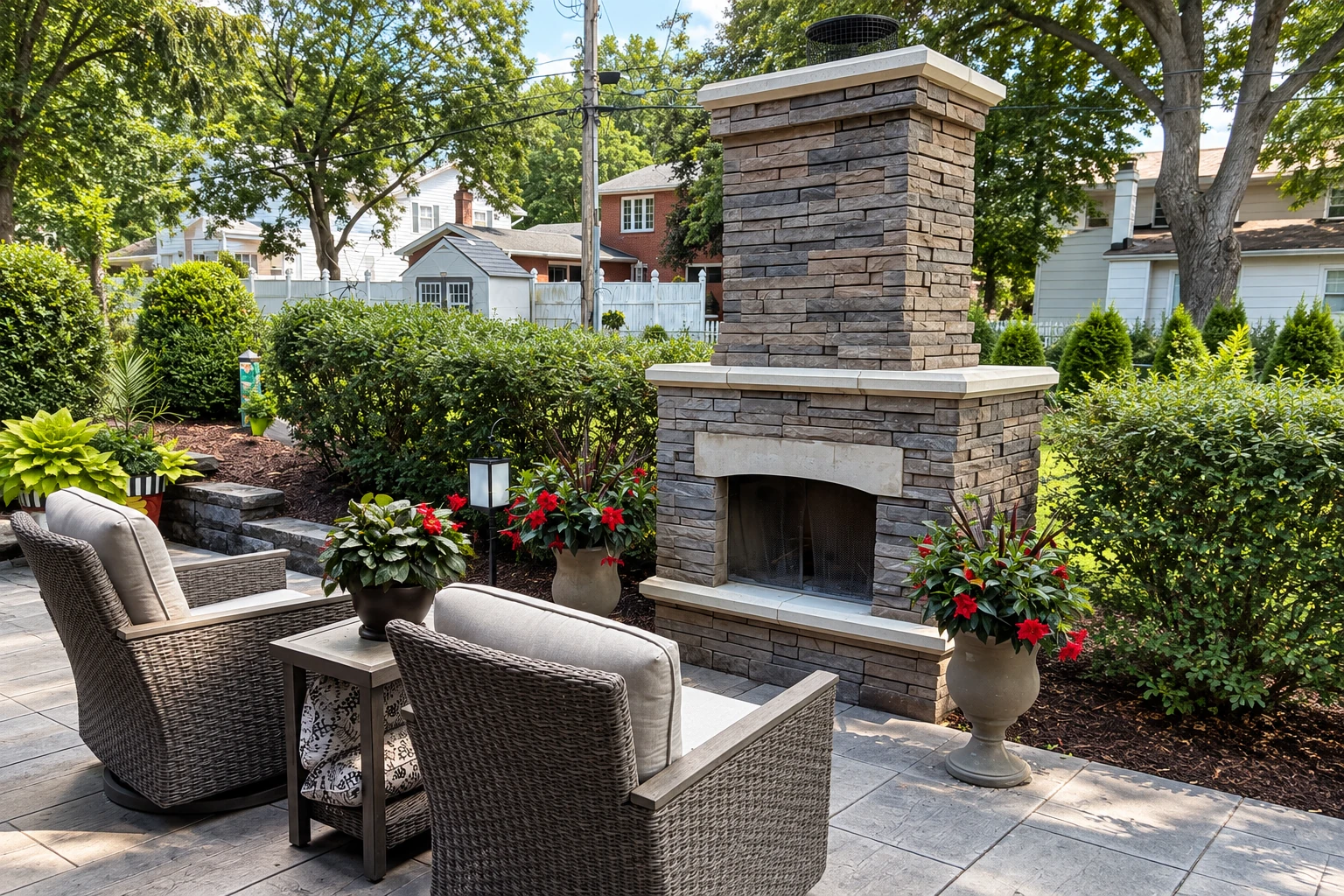
We build masonry fireplaces indoors or out on the patio, sized to the space and set on a footing big enough to carry all that weight.
Stone veneer dresses up a front wall, column or fireplace, and we install it over a proper backing with a path for water to drain out instead of getting trapped.
Block fences and garden walls between lots go up on a real footing with steel where it's needed, so they're built to stay straight instead of leaning.
For additions, garages or crawlspace walls, we lay block foundation walls on a poured footing, filled and reinforced the way the plans call for.
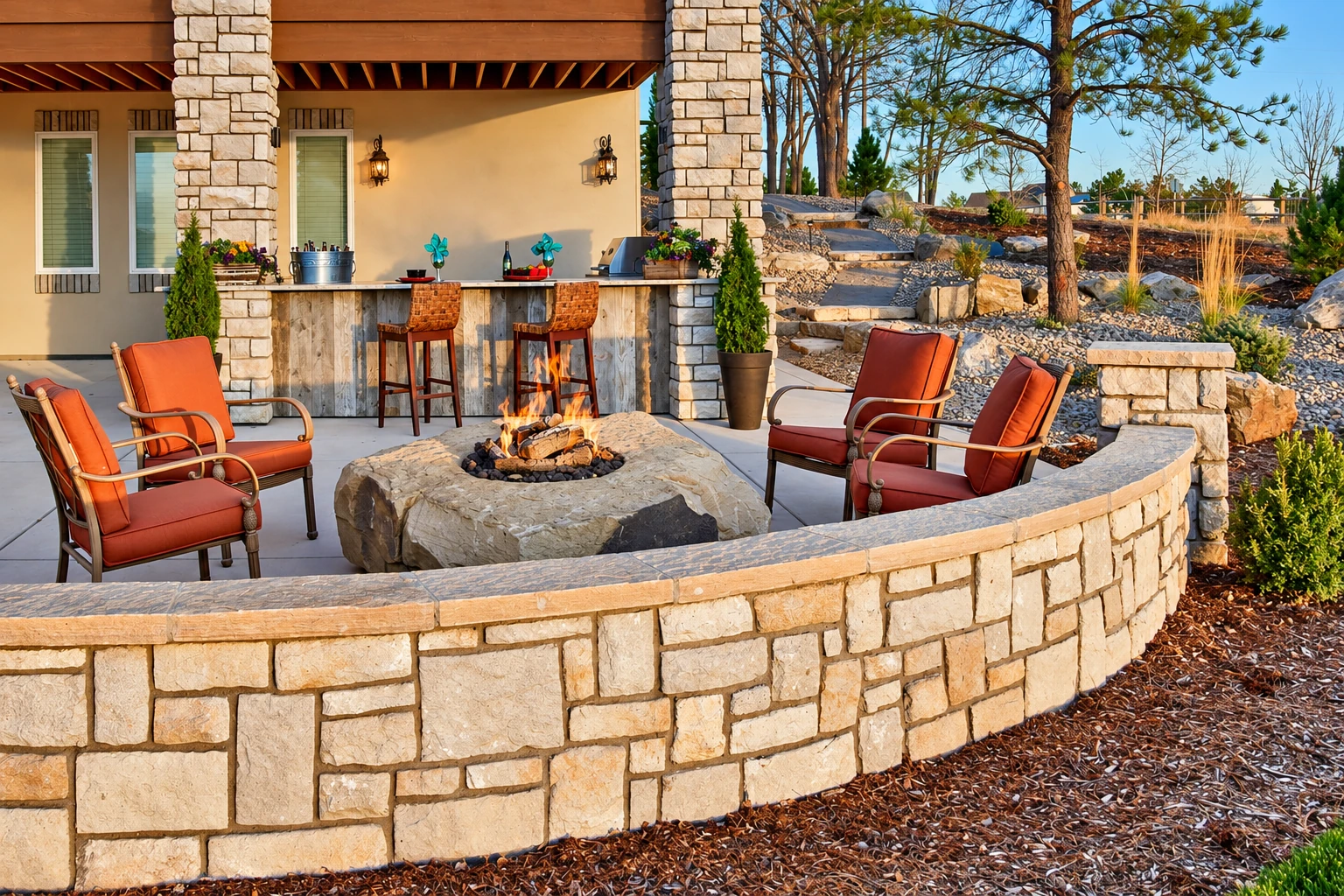
Backyard kitchens get a block or brick base built to carry the grill, counters and stone or tile finish, with openings planned for your gas and electrical trades.
Cracked or lifted front walks can be replaced in concrete, brick or pavers, sloped slightly so rain and sprinkler water run off instead of pooling.
A new brick garden wall, planter or mailbox column gets a footing sized for it and mortar joints shaped so they shed water.
Natural stone walls, steps and planters are slower to build than block, and we take the time to fit each stone so the wall carries its own weight.
When only a few joints are cracked or missing, pointing just those spots costs less than redoing the whole wall, and I'll tell you if that's all it needs.
We reply to every call and message within one business day, and most of the time it's me getting back to you. Then I come out to your Brentwood property, look at the job myself and give you a free written estimate that spells out what we'll do and what we won't. There's no obligation to book.
(925) 503-1025Before you hire anyone in Brentwood, check two licenses. The California Contractors State License Board licenses contractors across the state, and the City of Brentwood issues business licenses through an application that asks for the contractor's state license details. A contractor who can't show you both isn't someone I'd let start on your house. We're licensed and insured, and I'm happy to show you.
Whether your job needs a permit depends on the work, so I check with the right office before we start. If it does, we pull the permit and line up the inspections, and that timing can set the start date more than the masonry does. It's the same way we handle jobs in Walnut Creek and Oakley.
Price comes down to the size of the job, how much old brick, block or concrete has to come out, whether new work has to match what's there, how much drainage the site needs, and how easy it is to get a crew and materials into your yard. Your own figure comes from the written estimate I give after looking at the job.
I started as a helper on a small masonry crew, mixing mortar and hauling block long before anyone let me lay a brick. I opened this business in Antioch in 2023 after learning from people who'd been at it for decades. I still come out to look at every job myself, and I'm on site with our crew when the work gets done, so the person who looked at your wall is there when it's built.
I'd rather fix why something failed than cover it up, so a leaning wall gets a look at its footing and drainage, not just a new cap. If the honest answer is a smaller job, like pointing a few joints instead of rebuilding, that's what I'll tell you. Satisfaction guaranteed on every job. Call (925) 503-1025 or send us a message to set up a visit.
A few things about this area change how we mix, build and drain masonry here. Here's what they are and what we do about each one on a Brentwood job.
The park district describes nearby Round Valley Regional Preserve as arid, with summer temperatures commonly over 100 degrees. Heat like that pulls water out of mortar and concrete before they've had time to harden, which leaves them weak and crumbly. In summer we start early, mix smaller batches and keep fresh work damp and shaded so it cures slowly, the way it should.
The park district places the Marsh Creek fault, also called the Mount Diablo fault, about two miles southwest of that same preserve. It has produced small earthquakes and two significant ones, of magnitude 5.5 and 5.6. For masonry, that means tall walls, chimneys and heavy stone need solid footings and steel where the design calls for it, and a cracked chimney deserves a close look rather than a dab of patch.
Watered lawns and planters right up against a wall or foundation keep the soil behind it wet, and wet soil pushes harder and moves more. On a lot of the yards we see, a leaning garden wall or a cracked planter traces back to water with nowhere to go. We build in gravel, drain pipe and weep holes, which are small openings that let water out, and we'll point out a sprinkler soaking a wall.
On older brick homes and chimneys, the brick is often softer than what's made today, and it usually wants a softer mortar to go with it. Hard modern mortar on soft brick can make the brick crack and flake while the joints stay put, which is backwards. Before we repoint or patch, we match the mortar's strength and color to what's there, so the joints wear first and the brick doesn't.
Yes, for most masonry jobs. The state board requires a license when a project needs a building permit, uses employee labor, or totals $1,000 or more in labor, materials and other costs, and the contractor has to be licensed before bidding. A bigger job can't be split into smaller pieces to slip under that line. We're licensed and insured.
The state caps a home improvement down payment at $1,000 or 10 percent of the contract price, whichever is less. After that, every payment has to be listed in the contract and tied to work completed or materials delivered to your home. The board says these rules apply to all home improvement projects, so masonry work is covered too.
The California Building Standards Code, called Title 24, covers buildings across the state and is built on national model codes the state adopts. State agency amendments and local ordinances apply on top of it. If your job raises a code question, I'd rather sort it out before we start than after the wall is up.
Start with FEMA's flood map viewer, which the agency calls the best place to begin for official flood hazard determinations, and search your own address there. It's worth a look before a retaining wall, foundation work or a new driveway, because where water goes on your lot decides how we handle drainage.
Your price comes from a written estimate after I've seen the job, because the choices you make move it a lot. Block usually costs less than natural stone, poured concrete less than pavers, and pointing a few joints far less than rebuilding a wall or chimney. I'll tell you where a cheaper option will hold up and where it won't.
Small repairs like pointing a few joints or replacing a handful of bricks usually move fastest. New walls take longer because the footing goes in first and needs time to set before the wall goes up, and summer heat can slow things down. Permits, inspections and material deliveries also shape the timeline, and I'll walk you through it when I come out.
Clear a path to the work area, move cars, furniture and planters out of the way, and tell us where your sprinkler lines and any buried wires run. If the job's in the backyard, we'll need gate access each day, so plan to keep pets inside while we're working. I'll go over anything specific to your job at the estimate.
Call (925) 503-1025 or use our contact form to describe it, and mention how long you've noticed the problem, because a crack that's still growing tells me something different from one that's been there for years.