
Foundation repair
When cracks run through a block or brick foundation, or a corner of the house starts settling, we find what's moving it before we patch anything.
Mastercraft Antioch Masonry and Concrete is a masonry contractor based in Antioch that repairs and builds brick, block and stone work in Pittsburg, CA, from cracked chimneys and leaning walls to new paver driveways and walkways.
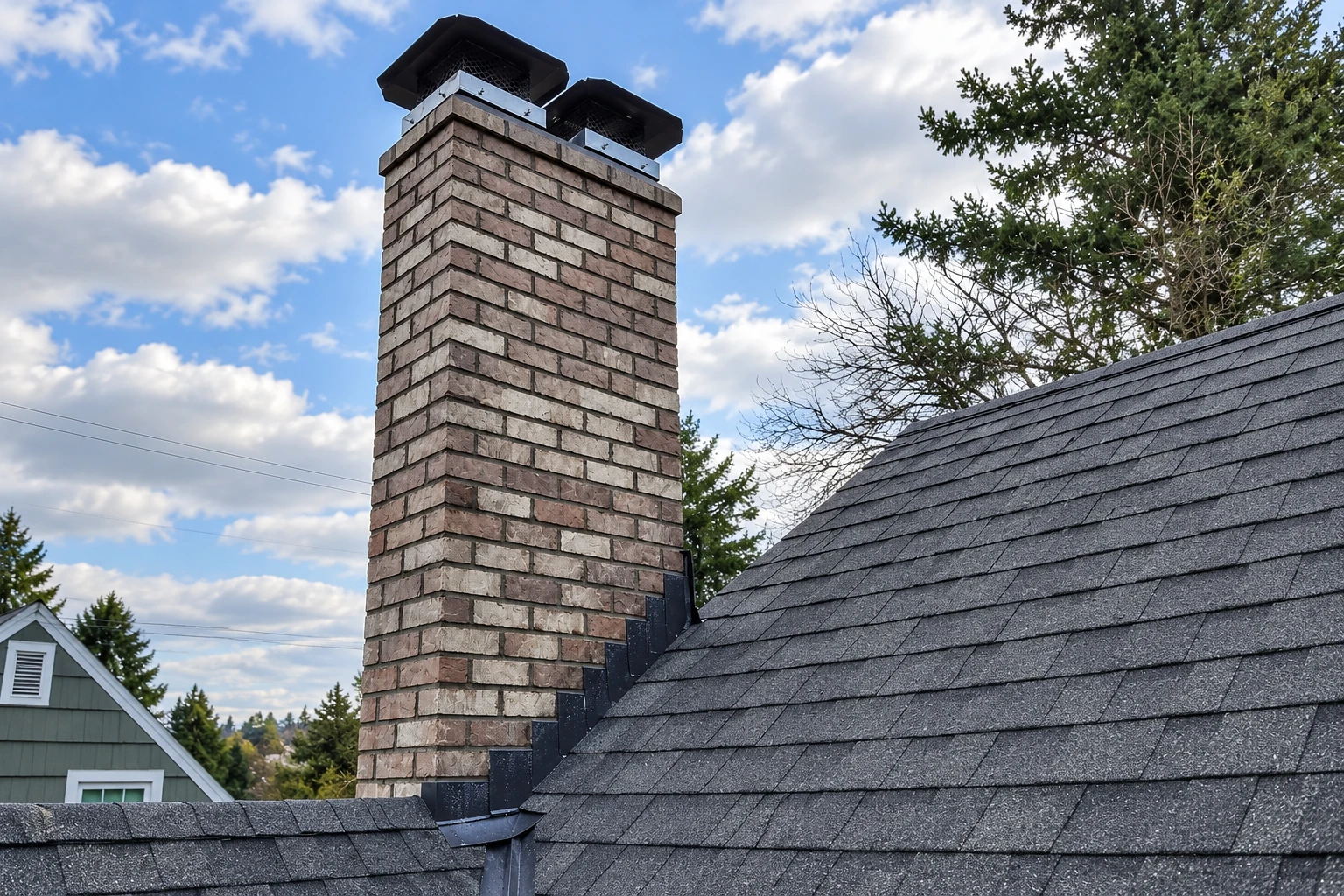
Mastercraft Antioch Masonry and Concrete repairs and builds brick, block, stone and concrete work for homes in Pittsburg, CA, right next door to where we're based in Antioch. Our crew handles everything from chimney repair and tuckpointing to retaining walls, block walls and paver driveways.
Pittsburg has older houses near Old Town and the waterfront and newer neighborhoods farther out, and the masonry calls follow that split. Around the older homes we see chimneys that have taken decades of weather, brick steps and planters with loose bricks, and mortar worn back from the face of the brick. Those jobs are mostly careful repair, not replacement.
In the newer neighborhoods, the calls lean toward building. People ask about block walls along back fences, paver driveways, outdoor kitchens and front walks that have settled. Plenty of what we look at was built well enough and only needs a repair, and I'll tell you when that's all it is. We do the same work just west in Bay Point.
When cracks run through a block or brick foundation, or a corner of the house starts settling, we find what's moving it before we patch anything.
Older Pittsburg chimneys usually lose mortar near the top first. We rebuild loose crowns and brick so water stops getting into the chimney and the house below.
When mortar joints have worn back or crumble when you scratch them, we grind out the old mortar and pack in fresh joints that match the house.
Cracked, flaking or loose bricks on a wall, step or planter get cut out and replaced one at a time, so you don't rebuild what's still sound.
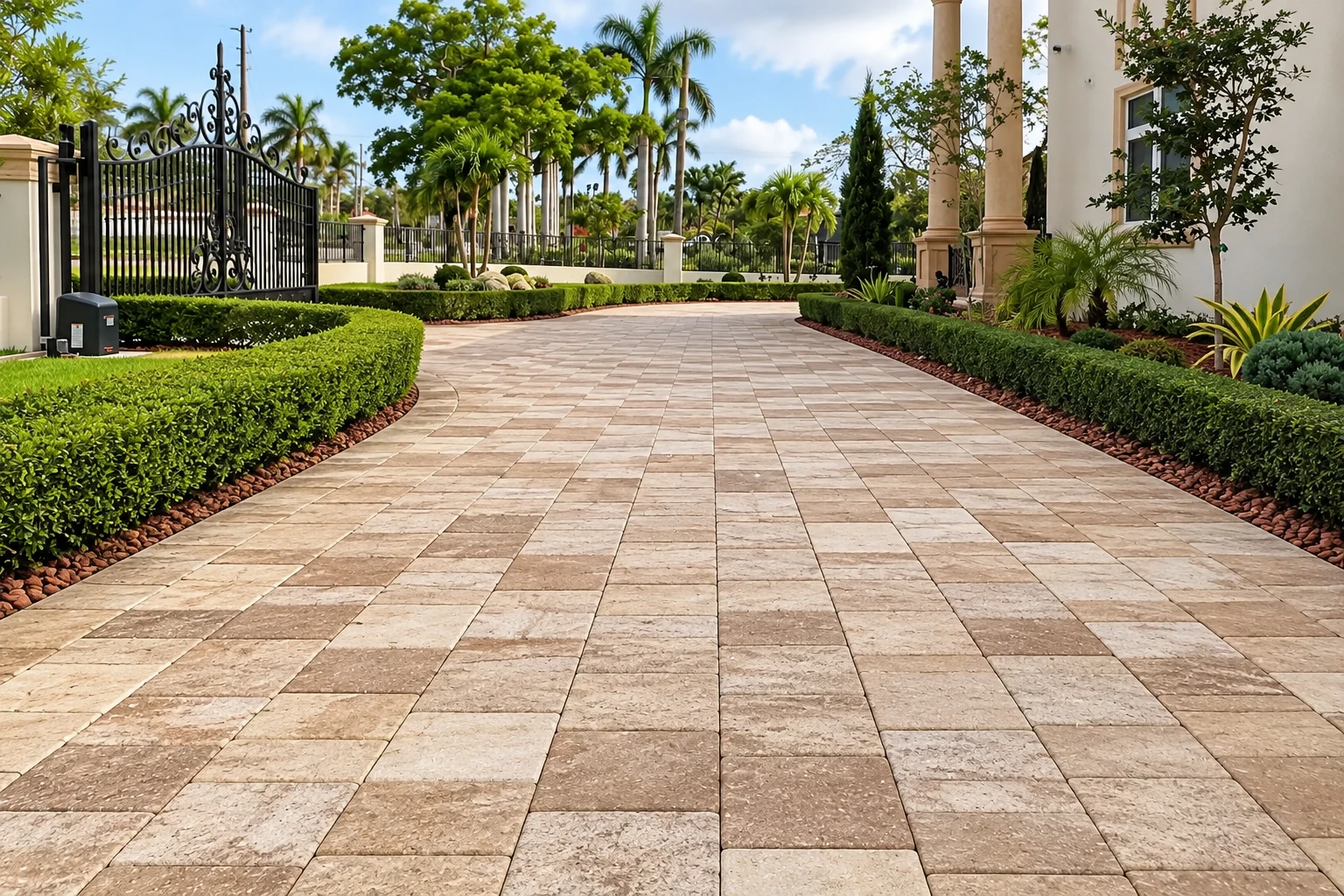
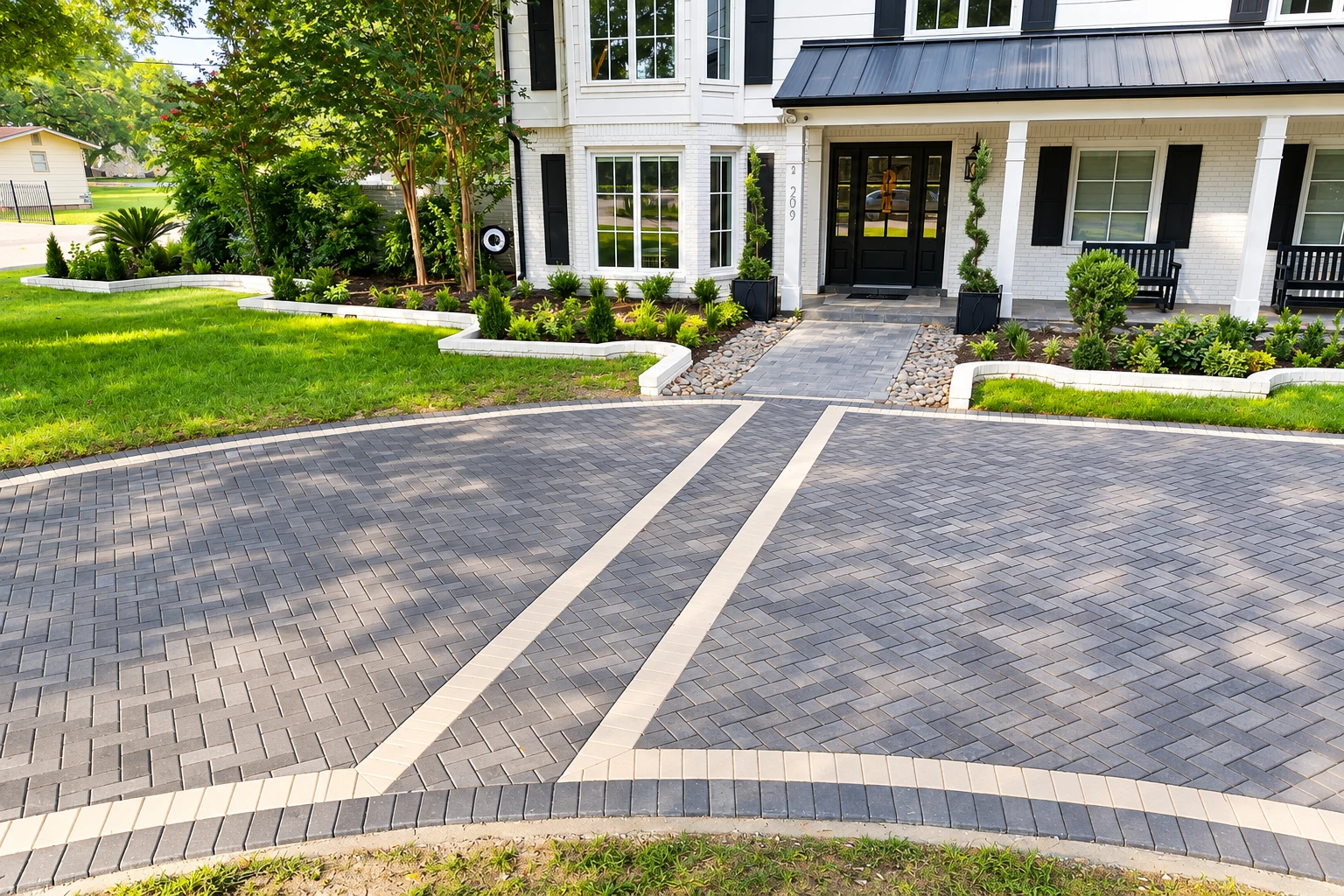
If your concrete driveway is cracked or you want one you can fix a piece at a time, we lay pavers over a packed base that drains.
For yards that step up or down, we build retaining walls with gravel and drain pipe behind them, so water can't build up and push them forward.
Older brick and stone around Old Town can often be brought back with cleaning, repointing and a few replaced pieces, instead of tearing out work that still stands.
We build masonry fireplaces and surrounds for new rooms and remodels, laid to fit the space and the firebox you choose.
Thin stone over a plain block wall, column or house front changes the whole look, and we set it over a proper backing so it stays put.
Block walls along property lines come up a lot here. We build new ones on a footing sized for the wall and fix older ones that have cracked or leaned.
For additions, garages and crawlspace walls, we lay block foundation walls on a solid footing, with steel and grout where the wall needs the strength.
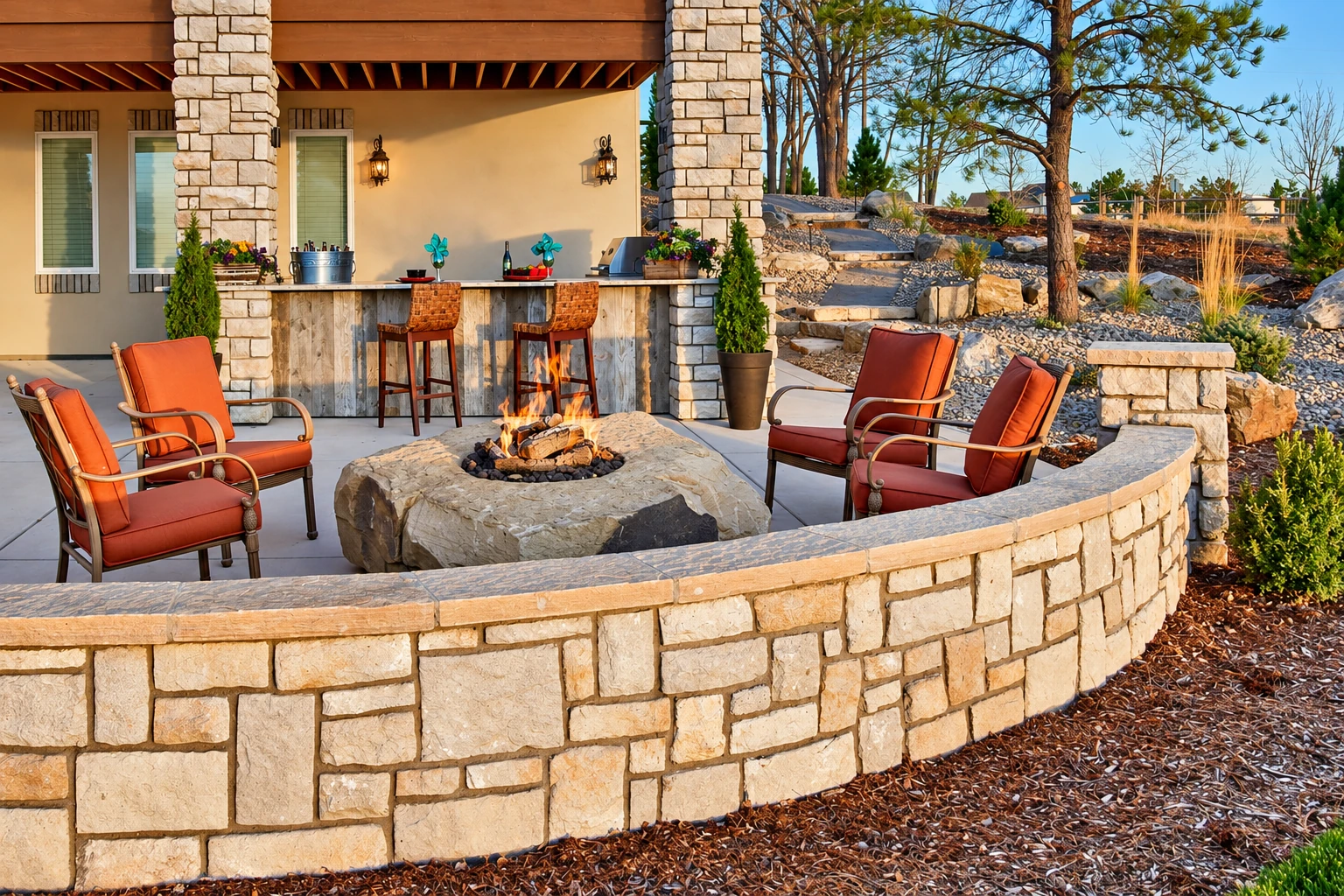
If you want a grill counter or full outdoor kitchen out back, we build the block base, the brick or stone face and a level slab under it.
Front walks and side paths that have sunk or started tripping people get rebuilt in brick, stone, pavers or concrete over a base packed to hold.
New garden walls, planters and low front-yard walls get a real footing and weep holes, small gaps at the bottom, so they stay straight and shed water.
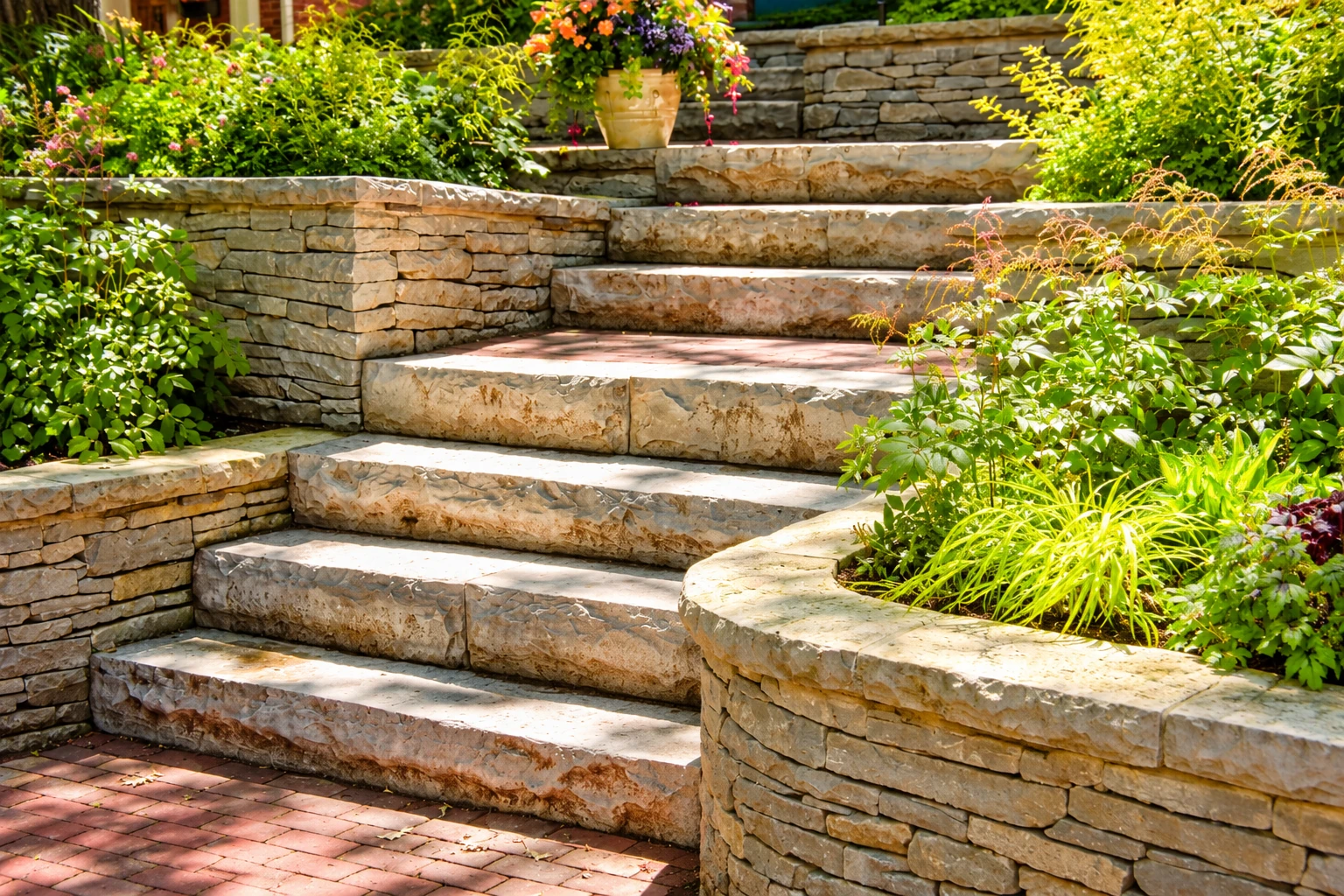
Natural stone steps, walls and borders are laid by hand, fitting each piece so the work looks settled and carries weight the way it should.
If only a few joints are open on a wall or step, pointing those spots now keeps rain out and usually saves you a bigger repair later.
Send us a few lines about your Pittsburg job and we'll reply within one business day, and most of the time it's me getting back to you. I'll come out to look at it myself and give you a written estimate that spells out what we'll do and what we won't. There's no obligation and no pressure to book.
(925) 503-1025For homes inside Pittsburg city limits, permits go through the City of Pittsburg. Its Building Division handles each permit from intake to final inspection, so a job that needs one waits on the city's review and on inspections along the way. The city's OpenCounter tool gives general guidance, but city staff make the final call on permits, fees and zoning, so it's worth asking them directly.
Before anyone starts, check that your contractor holds a current City of Pittsburg business license. The city requires one of everyone paid to work here, outside companies and subcontractors included, and a Contra Costa County license only covers the unincorporated parts of the county. When your job needs a permit, we pull it with the city and line up the inspections, and if it's unclear, we check with the right office first.
Price here moves on the same things it does in Concord or anywhere else we work: how big the job is, how much old work has to come out, the material you choose and whether a permit is involved. The schedule mostly turns on that permit and on the weather. You'll get your own figure in a written estimate after I've seen the job.
I come out to look at every job myself, and I'm on site with our crew when the work gets done. I started as a helper mixing mortar and hauling block, and I opened this business in Antioch in 2023 after learning from masons who'd been at it for decades. The person who looked at your wall is the one watching it get built.
I'd rather fix why something failed than cover it up. If a chimney crown cracked and let water in, new mortar on the bricks below only buys time, so we fix the crown too. If your job turns out smaller than you feared, I'll say so. We're licensed and insured, with satisfaction guaranteed on every job. Call (925) 503-1025 to set up a visit.
Every city has its own mix of houses and lots. Here's what tends to shape masonry work in Pittsburg, and how we plan for it before the first brick comes out.
Houses closer to Old Town tend to have older brick and mortar, and old brick is softer than what's sold today. If you repoint it with a hard modern mortar, the brick takes the stress and cracks instead of the joint. We match the mortar to the brick, so the joint wears first and can be redone later, which is how a brick wall is supposed to age.
Pittsburg is a waterfront city, with its marina where the Sacramento and San Joaquin Rivers meet, and water is behind most of the masonry trouble I see anywhere. It washes out bases, pushes walls forward and stains brick. So every wall and path we build gets a way to shed water, with gravel and drain pipe behind retaining walls and weep holes along the bottom of brick.
Some lots here change height between the house, the yard and the street, and that's where retaining walls earn their keep. A wall holding back soil has to be built for its height and the weight behind it, on a footing sized for that load. A short planter wall and a wall holding up a slope are different jobs, and I'll tell you which one you have.
Block walls along a side or back property line are a common call, whether one is leaning or you want a new one. A shared wall affects the people next door too, so it helps to talk with your neighbor early. We'll walk the line with you, check the footing on an old wall and tell you whether it can be repaired or needs to come down.
The price comes down to the size of the job, the material, how much old work has to come out and how easy the spot is to reach. Repointing a few joints costs far less than rebuilding a wall. I look at the job myself and put the number in a written estimate before anything starts.
Usually yes, because the city requires an Engineering Construction Permit for concrete work, grading and any work in its right of way, the public strip along the street. A new driveway apron or a walk that meets the sidewalk often touches that strip. When a permit applies, we pull it and set up the inspections.
Work has to start and get an inspection within 180 days of the permit being issued, or the permit expires, according to the city's building FAQ. The permit holder can ask for one 180-day extension. When we pull the permit, we schedule the work and inspections around that clock, so it's ours to watch, not yours.
A small repair like repointing a few joints or swapping out some bricks is usually quick, while a new retaining wall or driveway takes longer. Mortar and concrete need time to set before they carry weight, and a permit adds inspections. Your written estimate lays out the order of the work so you know what to expect.
Clear a path to the work area, move cars, planters and outdoor furniture, and keep pets inside while we're working. Tell us about sprinkler lines, pipes or anything else buried near the dig, because we'd rather plan around it than hit it. We cover the plants and surfaces that can't be moved.
Often yes, if the wall is still straight and the footing under it is sound. Cracked joints and a few broken bricks can be repointed and replaced. If the wall is leaning or the footing has failed, a patch won't hold for long, and I'll tell you it needs rebuilding and why.
We take calls until 11 PM every day, so call (925) 503-1025 after work or describe the problem through our form while the crack is still small.